Prairieville Animal Hospital: Caring, Compassionate Veterinary Care for Prairieville Pets
Prairieville sits at the kind of crossroads where country calm meets a growing neighborhood’s needs. The animals that share this space with us mirror that blend—pets who crave routine, comfort, and a team they can trust when the unexpected arrives. Prairieville Animal Hospital has grown alongside the people and pets it serves, not by chasing trends but by building relationships. Each visit carries the weight of real, practical care delivered with a quiet sense of responsibility. There’s a particular rhythm to the clinic’s days, the way the team moves between exam rooms, labs, and the back kennels, all with a shared aim: to help families interpret what their animals need and to support them as they navigate the choices that keep their companions healthy.
From the moment you walk through the door, you feel something familiar and reassuring. The staff take their cues from the light in a pet’s eyes and the tension in a cat’s shoulders, not from a checklist. This is not a place that treats numbers first. It treats lives. The result is a culture that blends medical precision with practical empathy, a quality born from years of experience and a willingness to listen to the subtle signs that tell you a dog is not feeling well or that a senior cat is showing the first hints of stiffness in her joints. It’s the kind of care that comes from knowing Prairieville animals in the wild and in the home, from the ordinary to the extraordinary, and from those long nights when a family needed a steady voice on the phone to those routine preventive care visits that prevent bigger problems down the road.
I’ve spent more than a decade working with families who care deeply about their animals. I’ve learned to read the room when a pet trainer arrives with questions about behavior, to anticipate the way a senior dog’s appetite might dip during a heatwave, or to recognize the subtle signs that a cat needs more environmental enrichment than a new litter box can fix. This is not glamorous work, but it is important work. Prairieville Animal Hospital reflects that insistence on practical, responsible medicine and on the kind of service that makes you feel seen as a person who shares a life with a four-legged family member.
A core idea runs through every veterinary decision here: care should be thorough without being overwhelming, informed without becoming indecisive. The clinic is staffed by veterinarians who bring diverse strengths to the chair, from dentistry and soft tissue surgery to internal medicine and behavior. They know how to explain the arc of a treatment plan in plain language, without dumbing things down, so families can participate actively in the decisions that affect their pets. That collaborative spirit matters. It means you don’t get the impression you are being sold something you don’t understand. You get a plan that makes sense for your budget, your lifestyle, and your animal’s temperament.
Beyond the rooms and the exams, Prairieville Animal Hospital is anchored in a reputation for reliability. There’s a steady cadence to the week—wellness visits on certain mornings, vaccines on others, and a rotating schedule of surgeries and emergencies. The philosophy here is clear: prevention is superior to cure, but when illness or injury does occur, you deserve a team that can respond with clarity, speed, and technical skill. The hospital’s approach to care mirrors the needs of Prairieville families: flexible, practical, and accessible.
An important thread in the clinic’s fabric is the emphasis on preventive care as a shared project. A patient is not a single event but an ongoing process that unfolds through visits, home care, and the small but cumulative actions that keep an animal resilient. The preventive care program is not a static checklist. It’s a living framework that adapts as a pet ages, changes weight, or develops new risk factors. Regular wellness exams provide the baseline for the kind of insight that prevents big problems later on. The veterinarian’s eye recognizes subtle changes in a pet’s gait, skin, or energy level that might flag something worth investigating. When caught early, many conditions can be managed more easily, with less disruption to the animal’s daily life and to the family’s finances.

For families new to Prairieville, the initial encounter tends to set the tone for the relationship ahead. The administrative team explains the check-in process in straightforward terms, the nurses gather information with a calm efficiency, and the doctor sits down to listen before speaking. It is surprising how much is accomplished in that first conversation: a mutual sense of direction, a clear explanation of what tests are necessary, and realistic expectations about outcomes. The aim is not to rush decisions but to illuminate them. This is especially valuable when a pet has a chronic condition or when a family must decide between treatment options that carry different levels of risk, cost, and impact on quality of life.
If there is a recurring theme in Prairieville Animal Hospital, it is the practical integration of medicine with everyday life. The clinicians appreciate that a pet is part of a daily routine: a walk that doubles as a social activity, a morning feeding ritual, a bedtime wind-down with a favorite toy. The medical plan respects that rhythm, offering scheduling flexibility and clear communication so families can implement care without feeling overwhelmed. This is a setting where a trip to the clinic becomes less about anxiety and more about collaborative care, a place where a family can recognize the value of a professional opinion while still feeling like owners of their own decisions.
There is something to be learned from the way the team handles a sudden health scare. In these moments, the clinic balances urgency with measured, evidence-based action. The triage process is efficient but never brusque. Clients are kept informed at every step, and even in the most trying instances, the staff convey a sense of steadiness that helps families concentrate on what matters most: their pet’s comfort and safety. In the middle of a busy afternoon, a team member may describe a treatment path in terms that the average pet owner can grasp, translating medical jargon into everyday language and letting families ask questions without feeling rushed. This is not an accident. It is the result of deliberate practice, ongoing training, and a culture that rewards clear communication as a core competency.
In conversations about care, it’s impossible to overlook the hospital’s stance on pain management and comfort. Whether a routine dental cleaning or a more invasive procedure, the aim check this out is the same: to minimize distress and to maximize recovery. The team takes a thoughtful approach to anesthesia, analgesia, and postoperative care, ensuring that pets recover in familiar surroundings whenever possible. It is common to hear a nurse or technician describe the steps of a recovery protocol in practical terms, such as how long a patient may be drowsy after sedation or when to resume normal activity. The bottom line is simple: comfort accelerates healing, and healing accelerates peaceful, happy living at home.
The human stories that accumulate in a veterinary clinic are what make a practice feel like a community. There is the elderly lab who has weathered multiple winters, the curious cat who learned a new enrichment activity during a return visit, the nervous rescue dog who learned to trust the process again, the teenage mixed breed whose perspective on life has changed with age. Each encounter adds texture to the clinic’s understanding of what it means to be a pet in Prairieville. The staff remembers names, medical histories, and even the little rituals families have developed to comfort their animals between visits. This sense of continuity matters. It makes care more precise and more compassionate, because the team knows what the animal has endured, what strategies have worked in the past, and what concerns are likely to come up as life grows more complicated.
Core services you can expect from Prairieville Animal Hospital include routine wellness maintenance, vaccination programs tailored to the animal’s age and exposure risk, dental care that emphasizes prevention and comfort, comprehensive diagnostics, and a balanced approach to medical and surgical interventions. The hospital’s team also dedicates time to client education, sharing practical tips that families can implement at home. The goal is to empower owners to participate in the care journey rather than leaving them with a vacuum of information. The education work is not a one-off event. It recurs with each visit, evolving as a pet’s life progresses and as new research or guidance becomes available.
In this environment, you also find a thoughtful approach to behavior and environmental guidance. A dog might need help managing leash reactivity, a cat may require enrichment to reduce stress in a multi-pet household, or a small animal might benefit from diet changes that support a healthier gut microbiome. The veterinarians know that behavioral health and physical health are two sides of the same coin. Solutions are evidence-based and personalized, often built through a collaborative process that includes a veterinarian, a client, and sometimes a certified veterinary behaviorist when complex challenges arise.
The hospital is not an island. It maintains connections with specialists when a case calls for it, and it systematically documents outcomes to refine its own practice. The referral network is not a badge of prestige; it’s a lifeline for pets whose needs exceed what a general practice can safely provide. This is paired with in-house capabilities that cover a broad spectrum of care, from radiography and ultrasound to laboratory testing and dermatology consults. The equipment is modern, but more important is the way it is used—precisely, conservatively, and with a clear plan for what comes next. The team understands that tests tell a story only when combined with clinical judgment, timing, and the family’s goals.
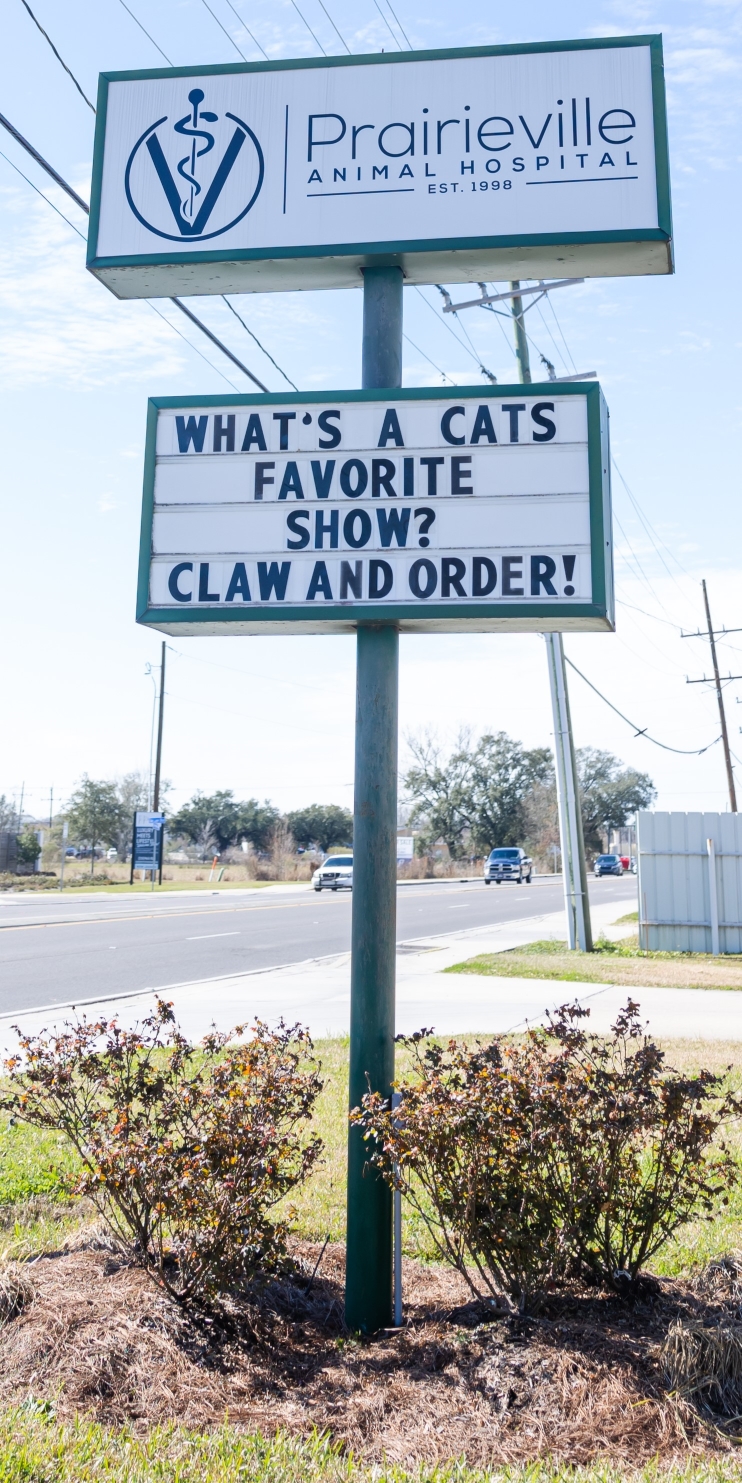
The story of Prairieville Animal Hospital is also a story about accessibility. The clinic’s hours accommodate busy schedules, including evenings and weekend days when possible, and a triage system helps families know when a same-day appointment is warranted. For many households, a veterinary visit is a rare, meaningful event rather than a dreaded disruption. The staff strives to honor that by making visits predictable in a constructive sense—people know what to expect, and pets benefit from a familiar routine. The reception area—quiet, clean, and organized—sets a tone that softens the stress that accompanies animal health concerns. The goal is not to chase every possible outcome in a single visit but to chart a sustainable path forward after listening carefully to what the pet and family are enduring.
Two practical notes often guide new clients as they become regulars: first, the hospital values a proactive stance toward preventive care. Vaccination timetables, parasite control, dental cleanings, and weight management plans become standard conversations rather than afterthoughts. Second, the team places a premium on transparent cost discussions. There is no sense in hiding the realities of medical decision-making. Instead, families are guided through the cost implications of different options, with a focus on value and long-term health rather than short-term savings. The conversations can be direct, but they are always anchored in respect for the family’s priorities and the animal’s welfare.
The care model here is well-suited to Prairieville’s diverse communities. It respects the realities of rural and suburban lifestyles alike, the demands of working families, and the passions of pet enthusiasts who want the best possible care for their animals. It is not a one-size-fits-all approach, but a thoughtful strategy that adjusts to each animal’s needs, the family’s values, and the realities of the budget. In practice, that translates into plans that are flexible, repeatable, and easy to implement across the life stages of a pet.
Core services
- Wellness exams and preventive care
- Vaccinations and parasite control
- Dental care and oral health management
- Diagnostics, imaging, and laboratory testing
- Medical and surgical treatment with post-operative care
What to bring to a visit
- A current list of medications and supplements
- A summary of prior illnesses or surgeries
- Any known food or environmental allergies
- A description of recent changes in appetite, energy, or behavior
Beyond the core offerings, Prairieville Animal Hospital nurtures a culture of continuous improvement. The clinicians stay curious, reading research, attending continuing education events, and sharing notes about interesting cases with colleagues in the community. It is not unusual to see a veterinarian leave the exam room with a small, color-coded card in hand, a reminder to recheck a patient’s kidney values after a certain period, or a note to discuss a potential dietary adjustment with the owner. The hospital recognizes that medical knowledge evolves, and the ability to adapt—without losing the personal touch—is a mark of durable practice.
In the end, what makes Prairieville Animal Hospital remarkable is not any single service or moment, but a coherent, lived approach to pet health. It’s a place where the routine check-up becomes a partnership, where families leave feeling supported rather than overwhelmed, and where each pet’s life is treated as a story with chapters that deserve careful attention. The clinic’s success rests on a simple premise: that compassionate, competent care when it is needed most can be delivered without sacrificing the everyday realities that families navigate. The result is a hospital that feels like a trusted extension of home, a place where Prairieville pets and their people can breathe a little easier, knowing they have a partner who understands the stakes and stands ready to act with both kindness and clarity.