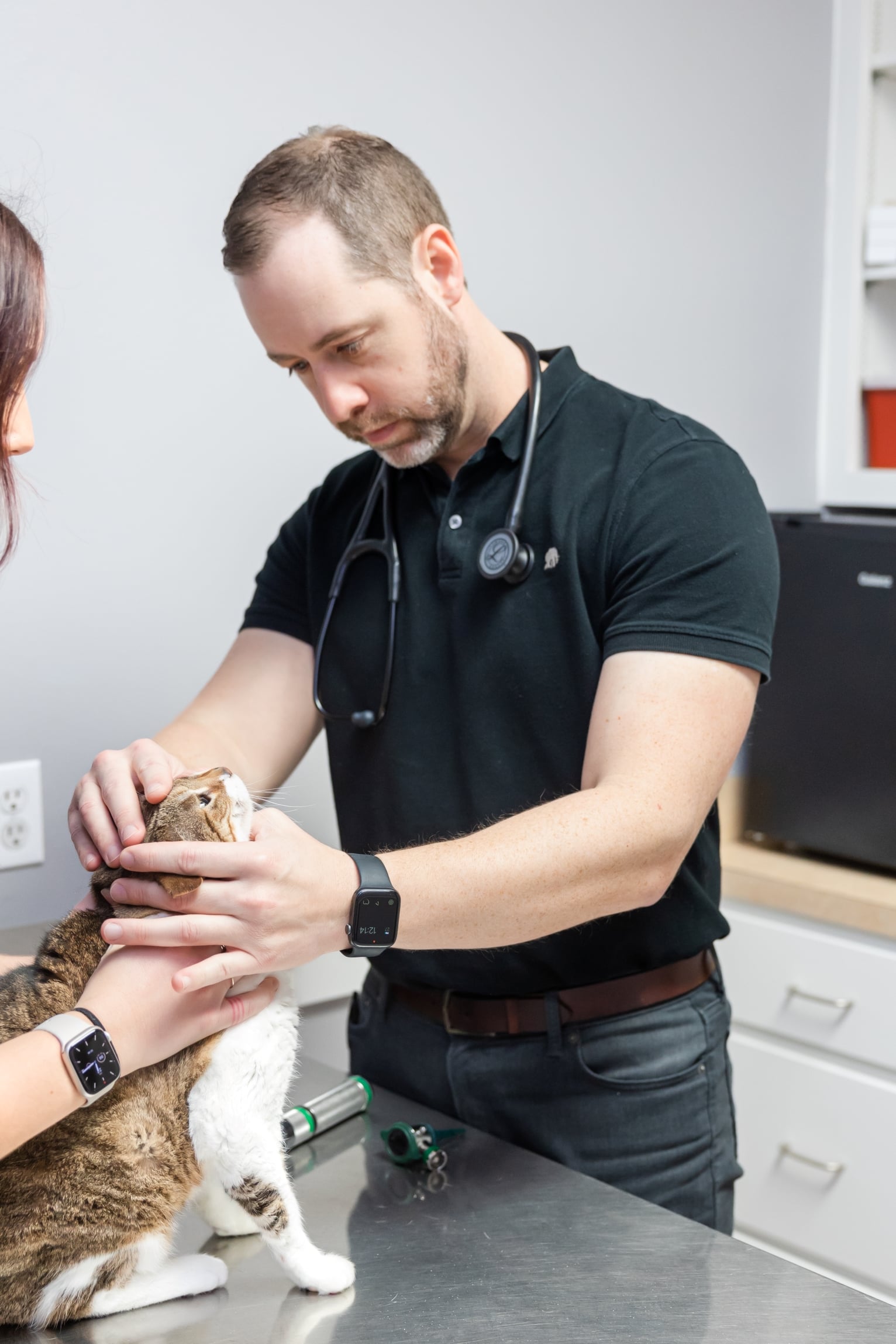
Prairieville Animal Hospital Veterinarians: The Cornerstone of Pet Wellness
The morning light spills over Prairieville as the clinic doors slide open and the hum of careful work begins. I’ve spent more days in this building than I care to count, watching the rhythm of a modern animal hospital take shape: a gentle ping of a monitor, the soft thud of a stethoscope meeting a patient’s chest, the quiet reassurance spoken between a veterinarian and a worried owner. The veterinarians here aren’t just clinicians in white coats. They are partners in a long, intimate relationship with each animal that crosses the door, the people who love them, and the community that depends on steady, informed care. That partnership is the backbone of pet wellness at Prairieville Animal Hospital.
A clinic like this functions most effectively when the veterinarians occupy a role that goes beyond treating symptoms. They sit at the intersection of science and everyday life, translating complex medical realities into practical guidance. It happens in small moments: a veterinarian explaining the risks and benefits of a recommended vaccine, the way a nurse reads a chart aloud to a worried owner, or the way a senior dog’s gait is observed and discussed with care, not urgency. The goal is not to rush decisions but to foster understanding so families can participate confidently in their pet’s health journey. In Prairieville, that collaborative spirit is palpable, threaded through conversations in the exam rooms and carried forward in the clinic’s halls.
The veterinarians here come from varied paths. Some arrived after years spent in teaching hospitals, others from busy private practices where every hour is a tight squeeze. Their common thread is a deep commitment to continuous learning and practical problem-solving. I’ve watched a new graduate shadow a senior clinician for months, soaking up the art of asking the right questions more than delivering flashy answers. I’ve watched a seasoned practice owner review an investment in a diagnostic tool—an ultrasound or a digital radiography system—then walk through how the data will be used in the daily workflow. It’s clear that expertise at Prairieville is not a single skill but a tapestry of clinical judgment, hands-on technique, and a mindful approach to client communication.
The patient experience in a veterinary setting can feel fragmented if practitioners don’t acknowledge the whole arc of care. Puppies and kittens arrive with boundless energy, curious about the world and risk-averse about new foods or unfamiliar people. Senior pets arrive with a lifetime of stories tucked into their joints, their eyes telling a narrative of resilience and occasional discomfort. The veterinarians at Prairieville understand this spectrum intimately. They know that wellness is not a single event but a continuum: preventive care, early disease detection, timely treatment, and ongoing management when chronic conditions emerge. The focus is on keeping pets thriving rather than merely prolonging life, a subtle but powerful distinction that guides every appointment.
The clinic’s approach to preventive care is where the profession often proves its value in a tangible, daily way. Vaccines, parasite control, nutrition counseling, dental health, and weight management form a core framework. It’s not just about stamping a stamp on annual checkups. It’s about building a proactive plan that adapts as a pet ages and as new information becomes available. The veterinarians routinely discuss life stage expectations with owners and translate those expectations into action: a vaccination schedule that respects lifestyle and exposure risk, a dental plan that fits the pet’s tolerance and family routines, and a nutrition plan that aligns with activity level and metabolic needs. In practice, this means turning clinical guidelines into steps a family can actually implement at home.
A crucial aspect of Prairieville’s veterinary care is continuity. Families often become familiar with a primary veterinarian, even as the team grows to include several clinicians with complementary strengths. That continuity matters for accuracy and trust. When a dog that has been seen for years arrives with a new concern, the veterinarian who knows the dog’s history is better positioned to interpret subtle changes in behavior, energy, appetite, or coat condition. The care team supports this continuity with a robust medical record system and a culture that values ongoing dialogue. Clients appreciate the sense that someone who knows their pet’s personality is asking the right questions, listening for quiet signals they might not notice themselves, and following up with care coordination that extends beyond the exam room.
The conversation about what a healthy life looks like for a pet often touches on the balance between comfort and vitality. For a middle-aged cat with early kidney changes, the discussion might focus on diet modification, measured exercise, and careful monitoring rather than an immediate cascade of tests. For a high-energy border collie with occasional joint stiffness, the plan might emphasize weight management, a targeted exercise routine, and a schedule of regular mobility assessments. These aren’t abstract ideas; they are concrete strategies that families can implement. The veterinarians at Prairieville speak plainly about trade-offs and constraints—the realities of time, budget, and a pet’s tolerance for procedures—while still aiming for outcomes that improve daily life.
The day-to-day life of a Prairieville veterinarian is a balance of two kinds of work: the diagnostic detective work that takes place behind the scenes and the human-to-human part that happens in the room. In the morning, a patient may come through with a lingering cough that doesn’t quite sound right. The veterinarian will listen for patterns, review vaccination history, assess exposure risks, and decide whether a chest radiograph plus a few targeted tests will reveal the culprit. Later, there might be a routine wellness visit that becomes an opportunity to discuss long-term aging plans. In both cases, the veterinarian must translate science into reassurance. They must explain what a test can truly tell us now, what it cannot, and why the recommended next step aligns with the pet’s best interests.
Several elements define Prairieville’s veterinary practice beyond the exam room. Technology is a tool, not a substitute for judgment. Equipment like digital radiography, ultrasound, and a modern laboratory enable faster, more accurate decisions, but the value of those tools rests on the clinician’s ability to interpret results in the context of the pet’s overall health and the family’s goals. The clinic’s emphasis on evidence-based medicine means veterinarians stay current with evolving research while applying it to real-world cases. This is not about chasing the latest gadget; it is about choosing the right tool for the problem at hand and using it in a way that respects the pet’s comfort and the owner’s situation.
The personal touch matters as much as technical proficiency. I’ve seen a veterinarian spend extra minutes with a family, patient and calm, explaining how a chronic condition will be monitored over time, how to read a leash-walking pattern that suggests joint discomfort, and how to recognize subtle changes in a pet’s behavior that signal a new phase of care. Those conversations aren’t glamorous, but they are essential. They reduce fear and uncertainty, replacing them with a plan and a sense of partnership. In Prairieville, the veterinarian is not a distant expert dispensing orders; they are an ally who helps families navigate the complexities of pet health with empathy and clarity.
When emergencies arise, the veterinarian’s composure matters just as much as clinical skill. A sudden laceration, a dog with a wobbly gait due to a possible stroke, or a cat collapsing after a heat event all require fast assessment and decisive action. The team’s response is shaped by the clinic’s culture of teamwork and communication. Roles are clear, but flexibility matters more. A nurse may triage, a technician may monitor, and the veterinarian will interpret the data and communicate what it means in plain language. It’s rarely dramatic in a film sense, but it is precise, efficient, and deeply human. The experience teaches what matters in a crisis: proximity to trusted care, a steady plan, and the confidence that someone who knows your pet is at the helm.
Health maintenance and disease prevention are ongoing commitments, not one-off chores. Prairieville’s veterinarians have learned that families often face competing priorities—work schedules, school routines, other pets, travel—yet the medicine side of care asks for consistency. The clinic’s approach to client education reflects this reality. They provide practical, actionable guidance rather than overwhelming lists of mandates. For example, a senior dog may require a monthly home dental routine paired with a biannual veterinary dental assessment. A cat with early signs of hyperthyroidism might benefit from gradual dietary adjustments alongside regular blood tests. The aim is to deliver information that a family can weave into daily life without feeling overwhelmed.
The veterinarian’s view of pet wellness is not limited to the animal’s physical health. Behavioral health matters too. Prairieville’s clinicians recognize that a pet’s mental and emotional well-being influences physical health and vice versa. A dog with excessive anxiety may present with skin problems or digestive issues that look like separate concerns but are really connected to stress. A veterinarian who considers these threads can guide the family toward a plan that includes environmental enrichment, training tips, and, when appropriate, safe pharmacologic options. The end result is a more harmonious household where the animal feels secure and the family can enjoy everyday life without constant worry about unpredictable symptoms.
The veterinarian’s work is complemented by a team that values mentorship and professional growth. New colleagues learn by observing seasoned clinicians who model careful history-taking, precise physical exams, and thoughtful client communication. The clinic encourages attendance at continuing education events, in-clinic case reviews, and practical workshops that translate theory into practice. It isn’t flashy, but it is effective. The culture at Prairieville rewards curiosity, humility, and a willingness to revise a plan when new information arrives. This kind of environment is where the next generation of veterinarians learns to balance science, practicality, and care.
To illustrate the texture of life at this hospital, consider a day last spring when a family brought in a senior terrier with a steadily declining appetite. The dog’s owner admitted worry that weight loss might reflect a grave illness, but the initial exam didn’t point to an emergency. The veterinarian reviewed the dog’s history, asked about appetite fluctuations, and noted subtle changes in hydration and energy. A scheduled blood panel revealed early kidney changes, a common but manageable facet of aging dogs. The discussion that followed was careful and honest. The veterinarian explained what the numbers could mean, what further testing might clarify, and how the family could reconcile a plan that prioritized comfort while preserving quality of life. They agreed on a phased approach: adjust the diet to a kidney-supportive formula, add a small appetite-stimulating option, and plan a follow-up blood panel in six weeks. The owners left with a clear understanding and a sense of control, which, in turn, gave the dog a calmer environment and a predictable routine.
In the same vein of practical care, Prairieville’s team maintains a robust focus on dental health, one of the most underappreciated pillars of pet wellness. A cat with chronic bad breath is often not merely experiencing a dental issue in isolation; it can be a signal of underlying systemic concerns, including kidney disease or diabetes. The veterinarians here bring a practical eye to these connections, explaining how dental health affects overall well-being and outlining feasible maintenance programs that fit into a family’s life. They offer guidance on brushing routines, dental diets, and professional cleanings with a realistic sense of what works for a busy household. The objective is not to preach perfection but to help clients make steady, sustainable improvements that accumulate over time.
The clinic’s relationships with the broader Prairieville community reflect a practical philosophy as well. The veterinarians participate in local events, school outreach programs, and pet-owner education sessions that demystify common veterinary concerns. They share knowledge about parasite prevention, vaccine schedules, and how seasonal changes can influence health in ways families may not anticipate. Those interactions are about more than information exchange; they are about building a shared language around responsible pet ownership. A community that understands the why behind veterinary recommendations tends to follow through, and that continuity, in turn, supports pets’ long-term wellness.
Two lists capture essential aspects of Prairieville Animal Hospital’s veterinary approach without overloading the narrative. The first highlights a broad spectrum of services that guide preventive and acute care:
- Vaccinations and core preventive care
- Comprehensive physical exams and age-appropriate screenings
- Diagnostic testing including blood work, urinalysis, radiography
- Dental care and nutritional counseling
- Chronic disease management and palliative care planning
A second list outlines what a typical visit to the clinic looks like from the owner’s perspective, illustrating the practical steps families can expect when they bring a pet in:
- A quiet, thorough history intake, with attention to changes in behavior, appetite, and energy
- A targeted physical exam that looks for subtle signs not readily apparent to the lay observer
- Discussion of findings, with clear, actionable recommendations and realistic timelines
- A plan that blends preventive care with feasible lifestyle adjustments at home
- Follow-up scheduling and a point of contact for questions or concerns
These lists are not mere checklists; they represent a philosophy about care that respects both medical rigor and human realities. They acknowledge that families must navigate busy lives while still pursuing a trajectory of better health for their animals. The two lists exist as anchors within a broader, living practice that evolves with the needs of the community and advances in veterinary science.
The veterinary team at Prairieville understands limits as well as capabilities. Not every problem has a neat solution, and not every client expects a flawless outcome. When the path forward is murky, the team leans on collaborative decision-making, inviting owners into the process and validating their concerns. They discuss uncertainties openly, presenting options and trade-offs and helping families weigh them against their goals, budget, and tolerance for risk. This is not about hedging or indecision; it is about honesty in the face of complexity and about ensuring that care plans are sustainable beyond the next appointment.
Edge cases are part of clinical life. A young dog with an unusual allergic reaction to a common medication, for example, demands adaptability. A cat with a stubborn heart murmur that never quite progresses to a dangerous stage requires ongoing surveillance and careful interpretation of changes over time. In these moments, Prairieville’s veterinarians draw on a combination of experiential wisdom and current evidence. They remember the cases that taught them to listen more deeply to owner concerns, to observe the pet in motion during a visit, and to document small, telling details that later become meaningful data points.
All of this work is underpinned by a practical sense of what wellness looks like in a real home. It isn’t enough to diagnose a problem; the aim is to co-create a plan that fits daily life. A family might decide to implement a slow transition to a new food rather than an abrupt change, gradually introducing an exercise regimen that respects a pet’s joints, or choosing a dental routine that begins with simple, twice-daily brushing. The veterinarian’s role is to guide, to validate, and to monitor progress, stepping in with a new strategy if the old one isn’t producing the desired results. The success of these endeavors is measured not by dramatic breakthroughs at every turn, but by reliable, incremental improvements in pets’ comfort, energy, and engagement with their families.
The ethical dimension of veterinary work is ever-present in Prairieville’s practice. Veterinarians wrestle with questions about when to pursue aggressive diagnostics or interventions, and when to emphasize comfort and quality of life. They strive to be transparent about prognosis and to involve families in decisions that align with their values. This thoughtful approach helps prevent the emotional fatigue that can accompany long-term illness management and supports families in maintaining hope while staying grounded in practical reality.
In reflecting on the cornerstones of pet wellness at Prairieville Animal Hospital, several core themes stand out. The first is relational trust. The pet’s health story becomes a shared narrative in which the veterinarian, the owner, and the pet participate. The second theme is practical stewardship. Medical knowledge is filtered through the daily life of the family, yielding plans that are not only scientifically sound but also doable. The third is continuous learning. The clinic’s culture of mentorship and ongoing education ensures that care remains current and relevant in a field that moves quickly. The fourth, perhaps most elusive, is balance. The team recognizes that wellness involves harmony among body, behavior, and environment, and that every pet’s life requires a tailored approach.
For readers who view veterinary care through a lens of trust and shared goal-setting, Prairieville Animal Hospital offers a model of how veterinarians can be both technically proficient and emotionally available. The cornerstones of care emerge not from grand slogans but from consistent, small commitments: listening carefully, diagnosing precisely, explaining clearly, and following through with careful coordination. The result is care that feels personal without losing its scientific backbone, care that supports pets through every stage of life and helps families navigate the inevitable uncertainties with confidence.
If you are new to the Prairieville community or simply transitioning your pet’s care to Prairieville Animal Hospital, you are not just signing up for a service. You are inviting a team into a long-term partnership built on trust, clarity, and shared responsibility. The clinicians here understand that wellness is a journey, not a destination, and they are prepared read more to walk that path with you—step by steady step, with judgment, compassion, and a practical sense of what works in everyday life. In this light, the veterinarians at Prairieville are more than clinicians. They are stewards of a relationship that matters to families, pets, and a community that depends on them to keep the animals they love as healthy and as happy as possible.